The 14 Tech Trends That Will Redefine 2025: Buckle Up for an AI-Powered Revolution
Imagine a world where AI doesn't just chat with you—it anticipates your needs, books your flights, and even negotiates your deals. Or where quantum computers crack problems in seconds that would take today's supercomputers millennia. Welcome to 2025, where technology isn't just evolving; it's exploding into a kaleidoscope of innovation that's reshaping industries, economies, and everyday life. Drawing from McKinsey's latest Technology Trends Outlook 2025, I've distilled their "baker's dozen" of frontier trends into an engaging roadmap. These aren't pie-in-the-sky ideas—they're backed by surging investments, talent shifts, and real-world applications. Let's dive in, trend by trend, and see how they're set to supercharge (or disrupt) your world.

1. Agentic AI: Your New Digital Sidekick
Forget passive chatbots—agentic AI is the boss-level upgrade. These autonomous agents don't wait for instructions; they plan, execute, and adapt on their own, handling multi-step tasks like a pro virtual assistant. Think: an AI that researches market trends, drafts reports, and schedules meetings without breaking a sweat. With job postings for agent roles skyrocketing 985% in the past year, this trend is primed to boost productivity by 40% in knowledge work. The catch? Ensuring they're ethical and secure.
2. Artificial Intelligence (Broadly): The Great Enabler
AI isn't one trend—it's the rocket fuel for all others. From cheaper, specialized models to enterprise-wide rollouts, 2025 sees AI maturing with a focus on ethics, transparency, and governance. Businesses are asking: How do we scale without the hype hangover? Answer: By integrating AI into core ops, potentially unlocking $4.4 trillion in annual value. It's the thread weaving through every trend below.
3. Application-Specific Semiconductors: Chips That Think
Powered by the AI boom, custom chips like GPUs are the unsung heroes. Nvidia's empire? Built on these bad boys that turbocharge training and inference. Expect a surge in tailored hardware for everything from edge devices to data centers, driving efficiency gains that could slash energy use by 30%. If you're in tech, bet on semiconductors as the next gold rush.
4. Advanced Connectivity: The Invisible Superhighway
5G is so 2020—hello, 6G, satellite swarms, and low-power IoT nets. This trend knits a decentralized web where devices talk seamlessly, from smart cities to remote drones. With non-terrestrial links like Starlink expanding, global connectivity could hit 99% coverage by 2030. The upside? Frictionless remote work and real-time global collab. Downside? A cyber Wild West.
5. Cloud and Edge Computing: Power Where You Need It
Clouds are swelling (data center demand up 19-22% yearly), but edge computing brings the brains to your phone or factory floor. Run LLMs on-device for privacy and speed—no more cloud lag. This duo powers AI at scale, but watch for the energy crunch: AI alone could guzzle 10% of global electricity by 2026.
6. Immersive-Reality Technologies: Step Into the Virtual
AR glasses for surgeons, VR for hazard-free training—immersive tech is blending worlds. Headset shipments rose 10% last year, but growth might dip as adoption hits prime time. Key apps: Healthcare sims and collaborative metaverses. Pro tip: Pair with AI for hyper-personalized experiences that feel eerily real.
7. Digital Trust and Cybersecurity: The Guardian Angels
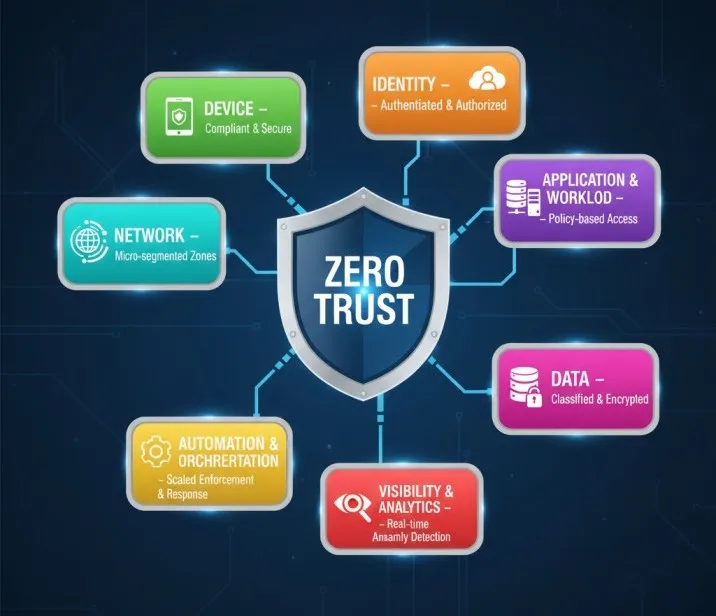
In a hyper-connected era, trust is the new currency. This covers everything from zero-trust architectures to explainable AI and automated compliance. With breaches costing billions, 2025 prioritizes resilience—think AI-driven threat hunting. Businesses ignoring this? They're playing Russian roulette with their data.
8. Quantum Technologies: Cracking the Impossible
2025 is the UN-declared International Year of Quantum—fitting, as error-corrected systems from Google and IBM go mainstream. Solving optimization nightmares in seconds, quantum could revolutionize drug discovery and logistics. 34 countries are racing in; the winner takes all (and the talent pool).
9. Future of Robotics: Bots That Walk, Talk, and Adapt
Humanoids like Tesla's Optimus are ditching rigid scripts for foundation-model smarts, tackling dexterity and balance woes. Battery life? Still a four-hour slog, but factories and homes are testing grounds. Expect robots in elder care and warehouses, slashing labor costs by 20-30%.
10. Future of Mobility: Wheels, Wings, and Autonomy
EVs, drones, air taxis—mobility's going electric, aerial, and self-driving. AI sensors make streets safer (fewer accidents via predictive routing), while shared models cut urban congestion. Micromobility like e-bikes? The eco-friendly commute king.
11. Future of Bioengineering: Hacking Life's Code
AI turbocharges protein design (shoutout to 2024's Nobel winners), speeding cures and custom crops. But ethics loom large: Gene editing raises regulatory red flags. By 2030, this could add $4 trillion to the global economy—if we navigate the moral minefield.
12. Future of Space Technologies: Eyes on the Stars
Satellite constellations for Earth monitoring, digital twins of ecosystems—space tech is democratizing data. Challenges: Orbital traffic jams and cyber threats. The payoff? Climate insights and disaster prediction that save lives and billions.
13. Future of Energy and Sustainability Technologies: Green Power Surge
AI optimizes grids and renewables, but supply chains for lithium and rare earths are bottlenecks. Geopolitics adds spice—expect breakthroughs in fusion and carbon capture. Sustainability isn't optional; it's the trend tying all others to a livable planet.
14. Synthetic Data: The AI Training Revolution
Real data’s messy—privacy issues, biases, and gaps galore. Enter synthetic data: AI-generated datasets that mimic reality without the baggage. It’s fueling AI training in healthcare and finance, cutting costs and risks. By 2027, 60% of AI training data could be synthetic, unlocking faster, safer model development.
These 14 aren't silos—they intersect like a tech Voltron, amplifying each other for exponential impact. McKinsey warns of hurdles: skyrocketing compute demands, talent wars, and geopolitical chess. But for leaders and innovators, 2025 is a launchpad. The question isn't if you'll adopt these—it's how fast. Stay curious, invest wisely, and let's build that future together.
Original Reference: McKinsey & Company. "The top trends in tech." McKinsey Technology Trends Outlook 2025. Accessed October 2, 2025. https://www.mckinsey.com/capabilities/mckinsey-digital/our-insights/the-top-trends-in-tech.
Share this article


Recent Posts
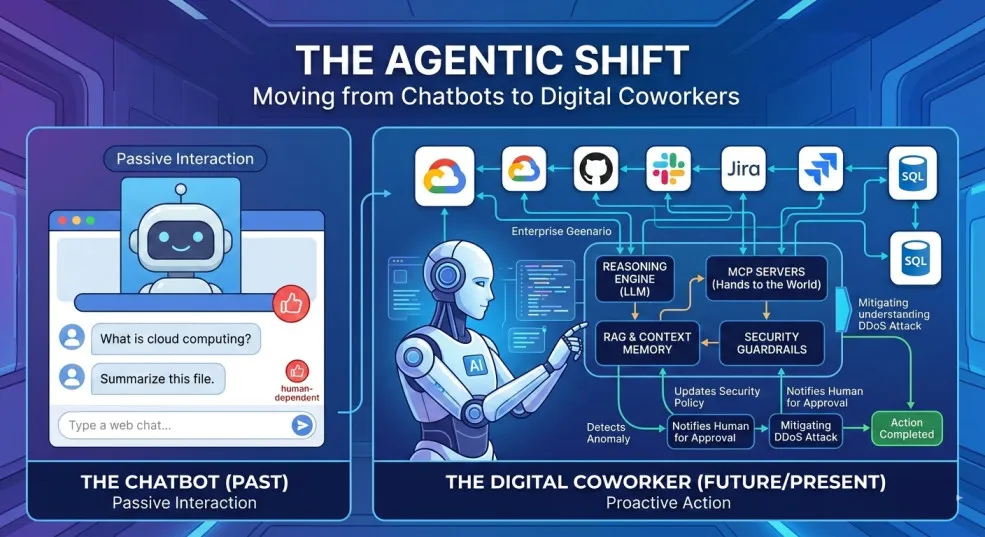
The Agentic Shift: Moving from Chatbots to Digital Coworkers
By 2026, enterprises are moving from AI chatbots that answer questions to digital coworkers that own outcomes across end-to-end workflows.
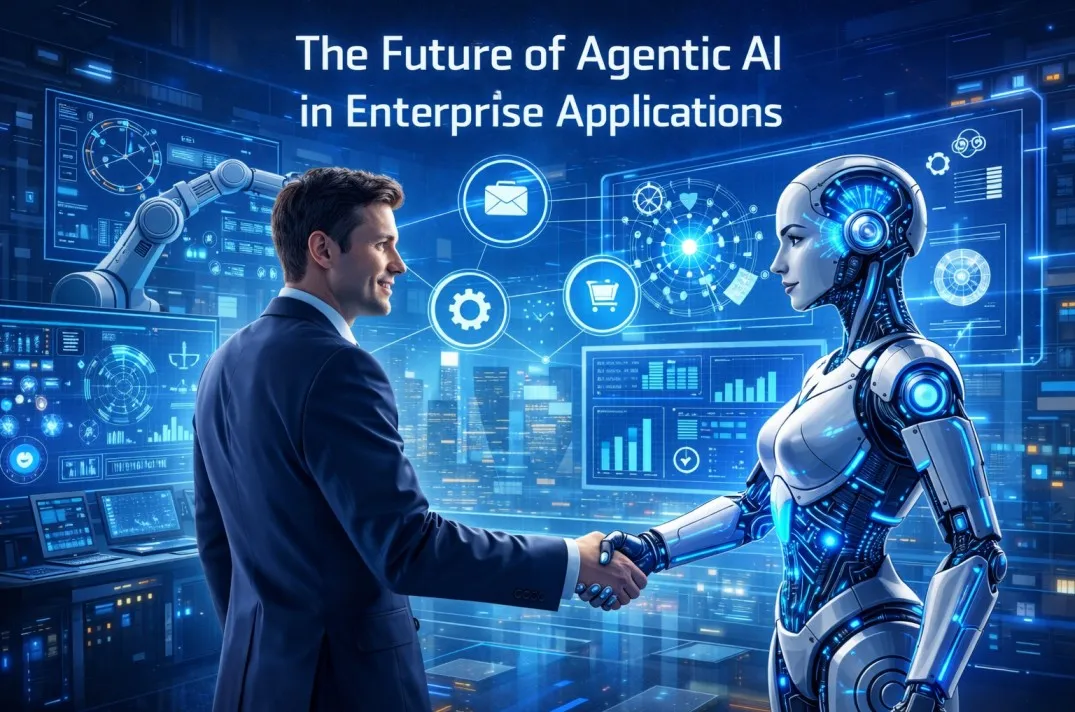
The Future of Agentic AI in Enterprise Applications
Why the next 3–6 months will define enterprise AI leadership — and how product and technology leaders can prepare for agentic systems that plan, decide, orchestrate, and execute.
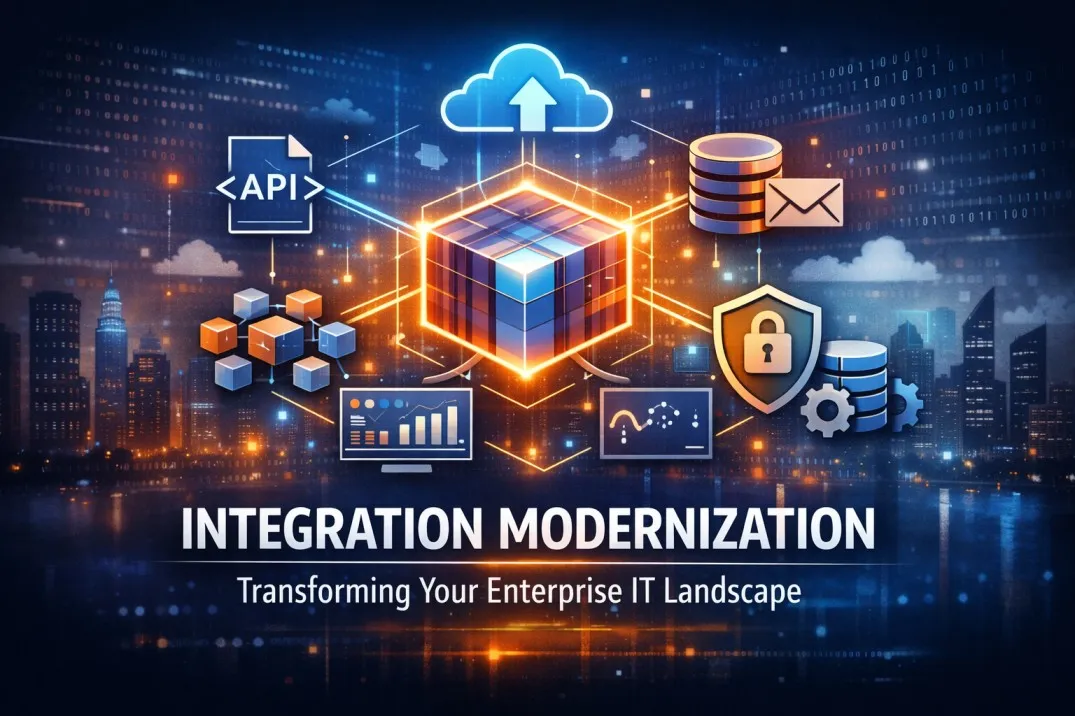
Integration Modernization: An Enterprise Strategy for the Connected Enterprise
A Strategic framework for CIOs, CTOs, and enterprise architects to modernize integration, reduce risk, and unlock connected enterprise velocity.
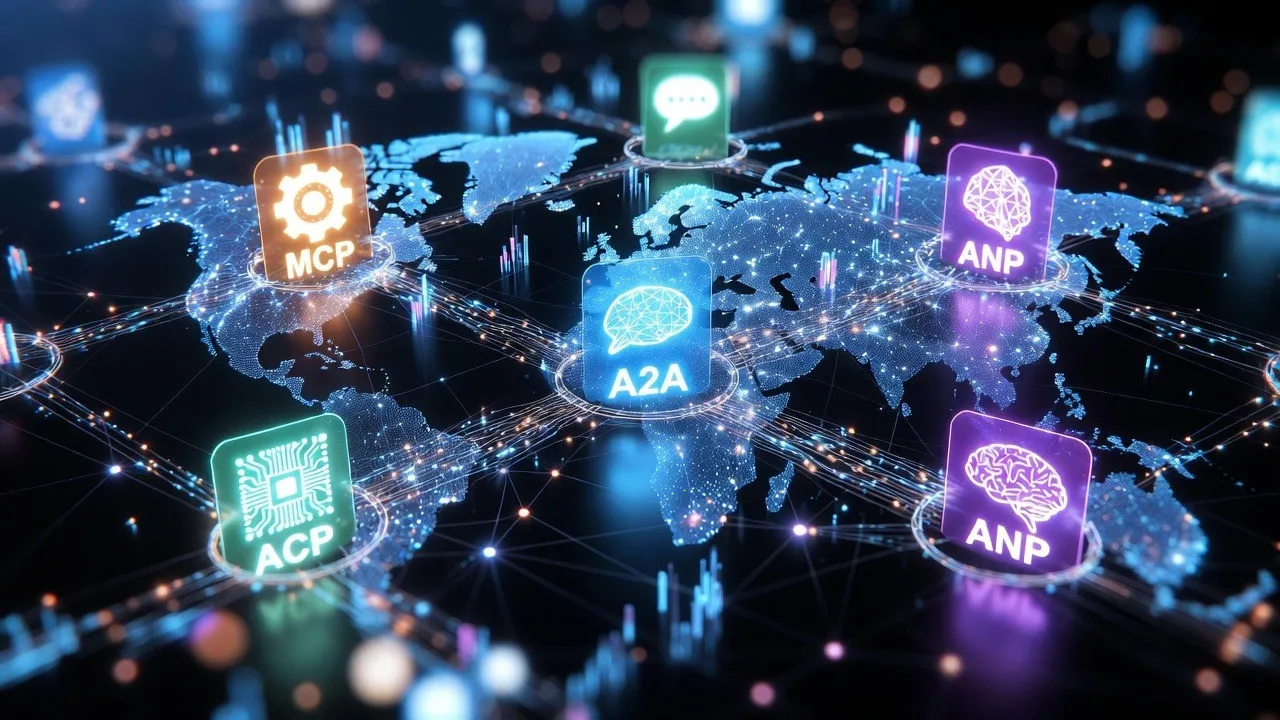
Navigating the Future of AI Agents: MCP vs. A2A vs. ACP vs. ANP
A practical breakdown of the 4 key protocols shaping interoperable AI agents—what they do, where they fit, and how to choose (MCP, A2A, ACP, ANP).

AI 101: Your Gateway to the World of Large Language Models
A practical, non-fluffy guide to AI and Large Language Models (LLMs) for developers, CXOs, and AI leaders—what they are, how they work, when to use which model, and how to get reliable answers.
Google Maps for Your Code: Rescuing Architecture with the C4 Model
How the C4 model turns messy architecture diagrams into a clear, zoomable map of your systems—so teams can align, migrate, and evolve faster.
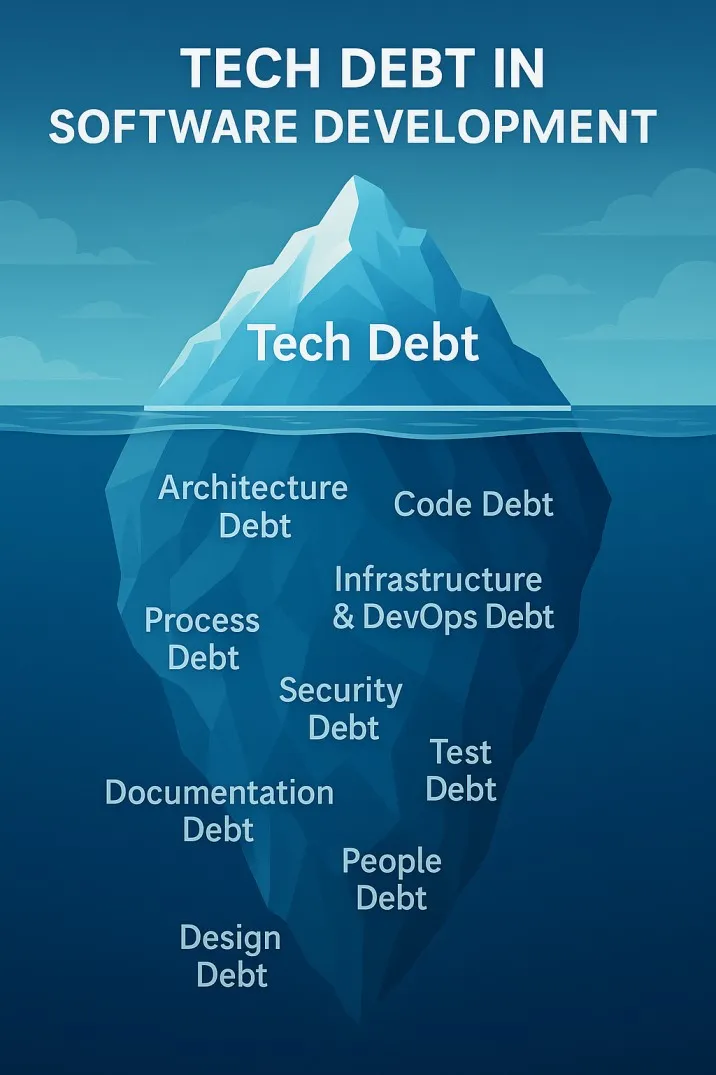
The Iceberg Beneath Your Code: Understanding Tech Debt in Software Development
Tech debt is the hidden iceberg beneath your codebase—slowing teams, inflating risk, and threatening outages. Here’s how to see it clearly and pay it down strategically.