Generative AI: Creative Partner or Threat to Artists?
Is Generative AI the ultimate creative partner or a silent threat to independent artists? The reality is far more nuanced, and understanding it now is key to thriving in the evolving creator economy. 💡
This isn't just another tech trend; it's a profound reshaping of how artists create, monetize, and secure their livelihoods.
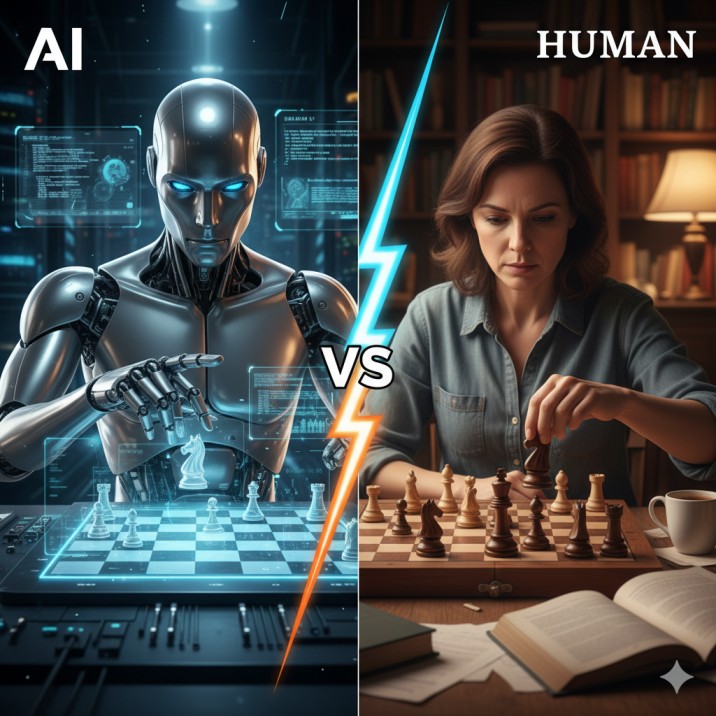
The Golden Opportunities
Many are finding AI to be an indispensable co-pilot. It's revolutionizing:
- Efficiency & Scale: Accelerate content production, optimize workflows, generate endless ideas, and personalize content at scale. Platforms like YouTube are already integrating AI for editing, dubbing, and strategy optimization.
- New Revenue Streams: AI isn't just about faster creation; it's about unlocking entirely new ways to earn:
- Selling unique AI-generated digital art and illustrations.
- Licensing AI content for commercial use in advertising, films, and games.
- Offering custom AI art commissions.
- Monetizing through NFTs of unique AI pieces.
- Even training and licensing your own unique AI models for passive income! 🎨
The Looming Challenges
However, beneath the shiny surface lie substantial threats that demand our immediate attention:
- Income Displacement: Studies warn of significant revenue loss. The "good enough" principle means cheaper, AI-generated alternatives could displace human artists, driving down wages and opportunities across creative sectors.
- Ethical Minefield: Unauthorized use of copyrighted work to train AI models is a major concern, alongside the potential for bias in AI outputs. This isn't just about fairness; it's about artistic integrity, ownership, and the very foundation of creative compensation. ⚖️
What's Next for Creators?
The future isn't AI replacing human creativity, but profoundly augmenting it. Independent artists must embrace a hybrid approach, leveraging AI's power while actively advocating for robust regulatory frameworks that ensure fair compensation, attribution, and protection of intellectual property. Adapt, innovate, and advocate fiercely for your value.
Share this article


Recent Posts
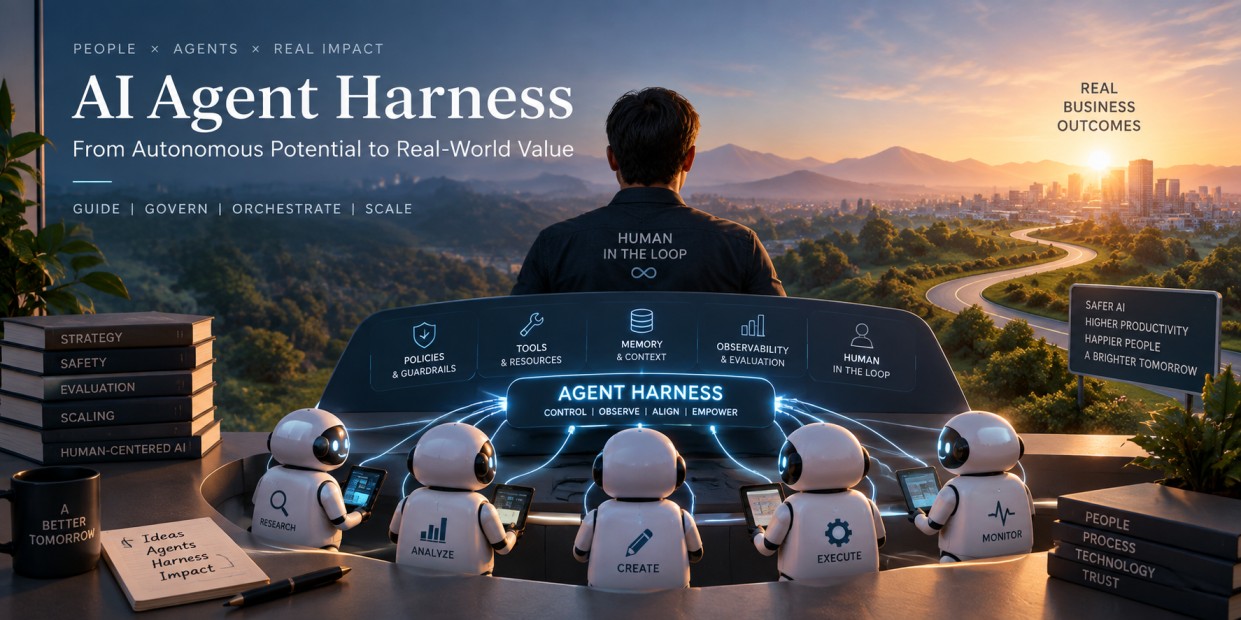
The Agent Harness: The Missing Operating System for Enterprise AI Agents
Why the race to build more AI agents may be creating a new class of enterprise risk—and how a well-designed harness turns probabilistic models into dependable digital workers.
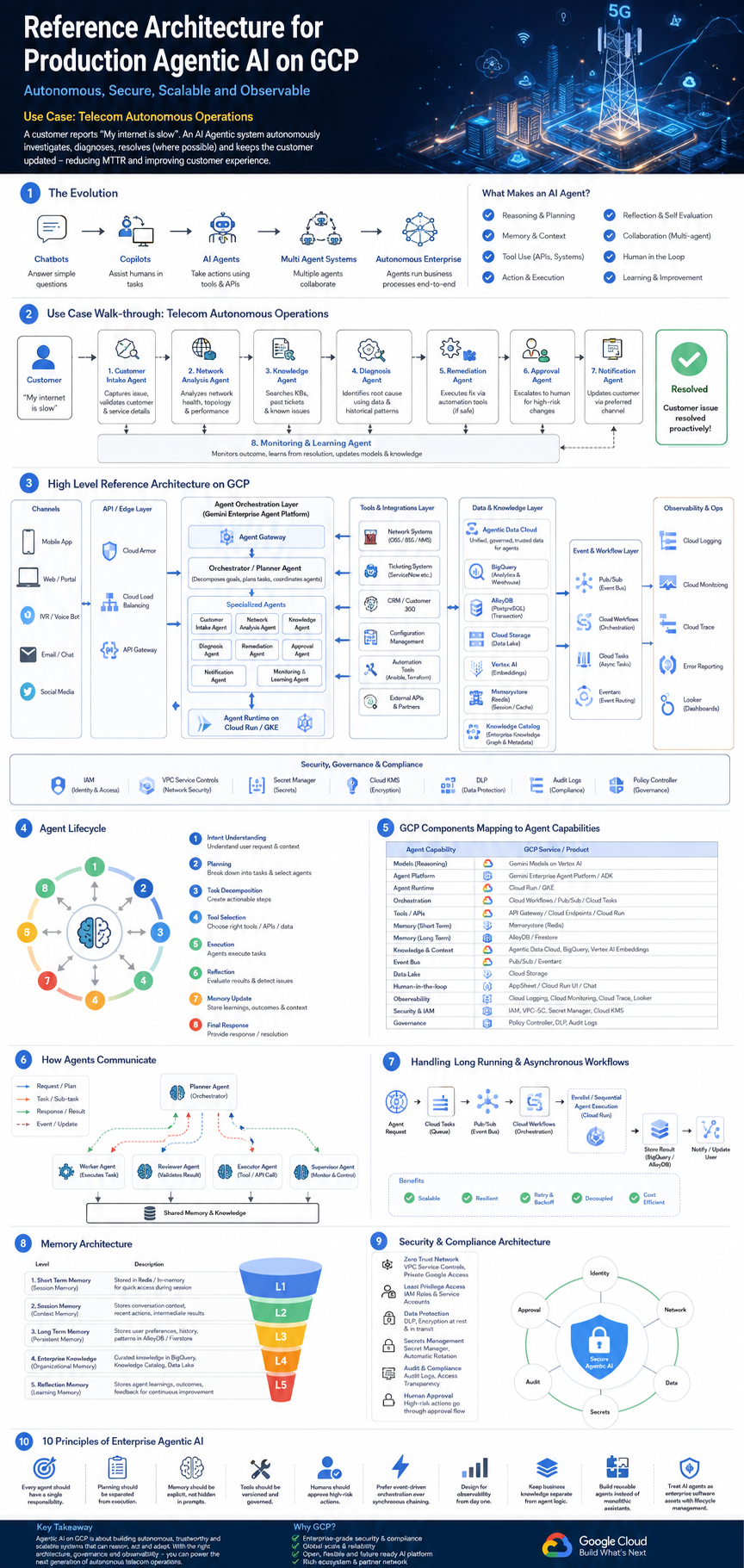
Reference Architecture for Production Agentic AI on Google Cloud
A production-ready reference architecture for building an autonomous telecom operations center with specialized agents, enterprise knowledge, governed execution, and continuous learning on Google Cloud.
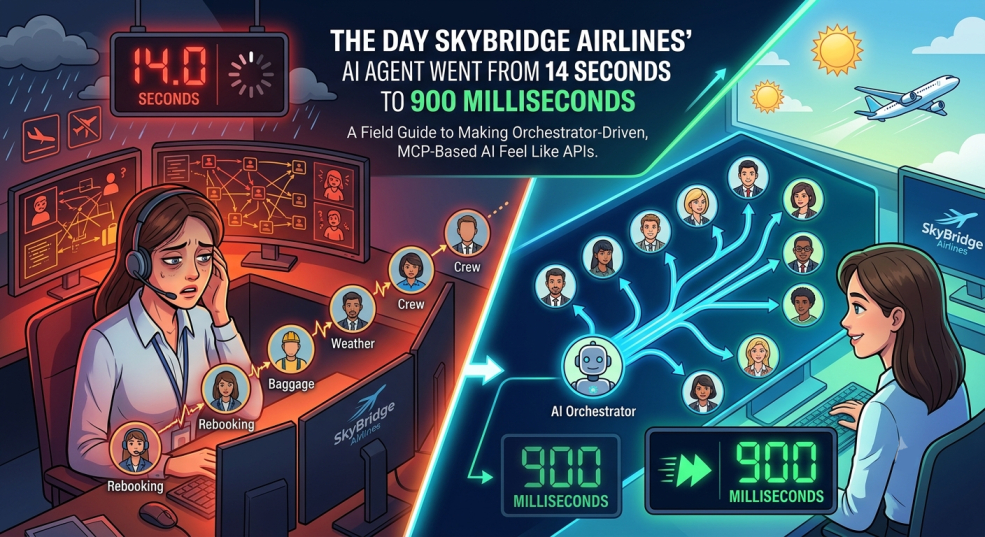
The Day SkyBridge Airlines' AI Agent Went From 14 Seconds to 900 Milliseconds
A field guide to making orchestrator-driven, MCP-based agentic AI systems feel like APIs, not like committees.
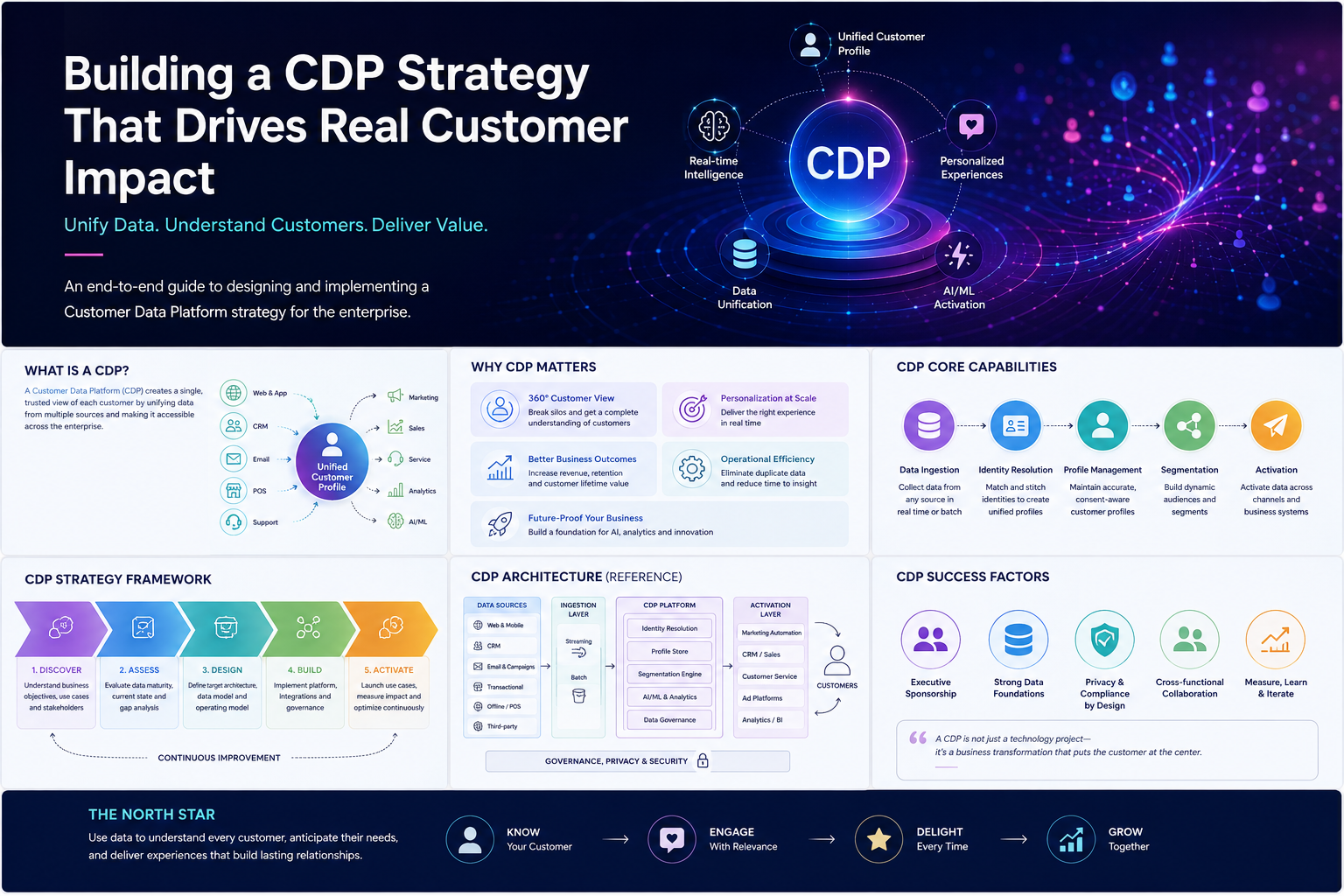
End-to-End Enterprise CDP Strategy Guide
A practical enterprise guide to Customer Data Platform strategy, from identity resolution and data governance to vendor selection, rollout planning, KPIs, and ROI.
End-to-End Agentic AI Strategy
A complete enterprise strategy for driving autonomous execution, process transformation, governed scale, Zero Trust agent identity, human oversight, and measurable ROI from Agentic AI.
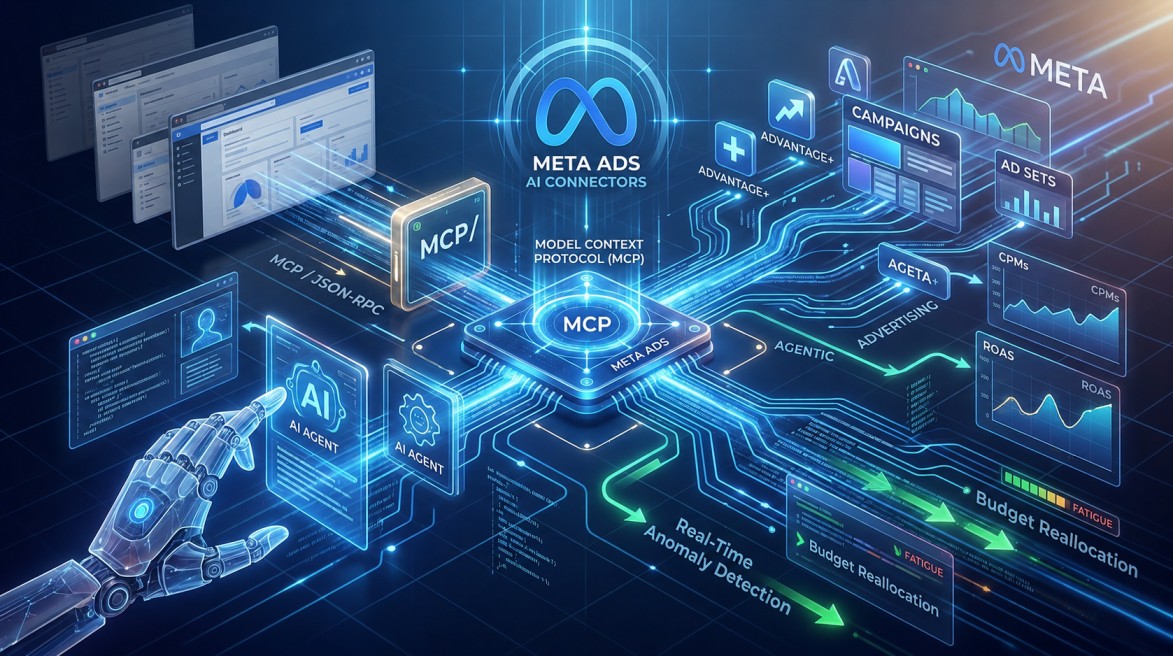
Beyond the Dashboard: How Meta's New MCP Server is Ushering in the Age of Agentic Advertising
Meta Ads AI Connectors mark a shift from dashboard-driven media buying to autonomous agentic advertising, changing how teams monitor, optimize, and govern campaigns.
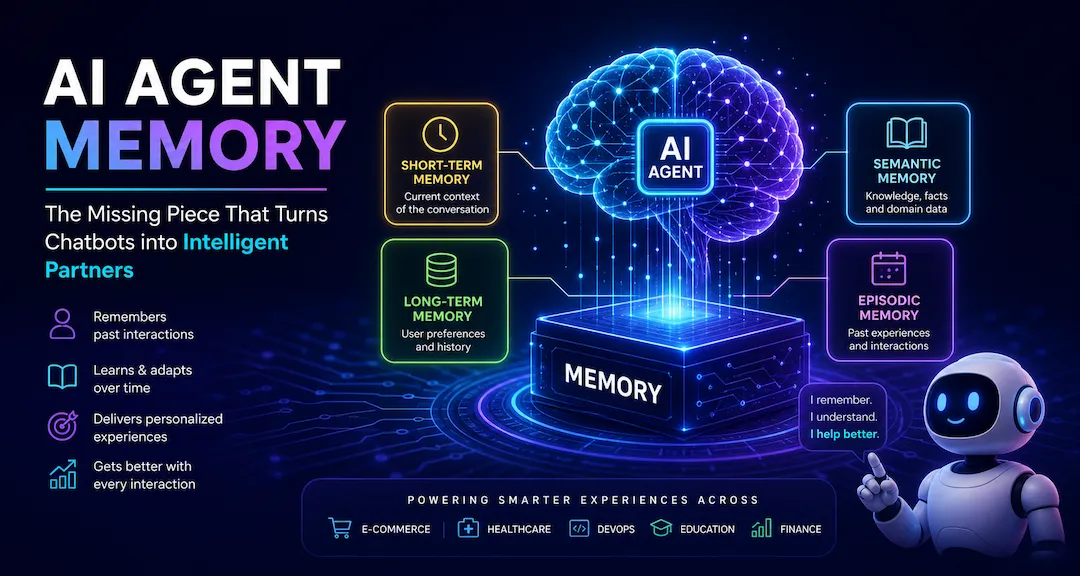
The Memory That Makes AI Agents Truly Intelligent: A Deep Dive into AI Agent Memory
A practical deep dive into AI Agent Memory: the memory stack, long-term memory types, runtime flow, production architecture, security risks, and best practices for building agents that remember.